
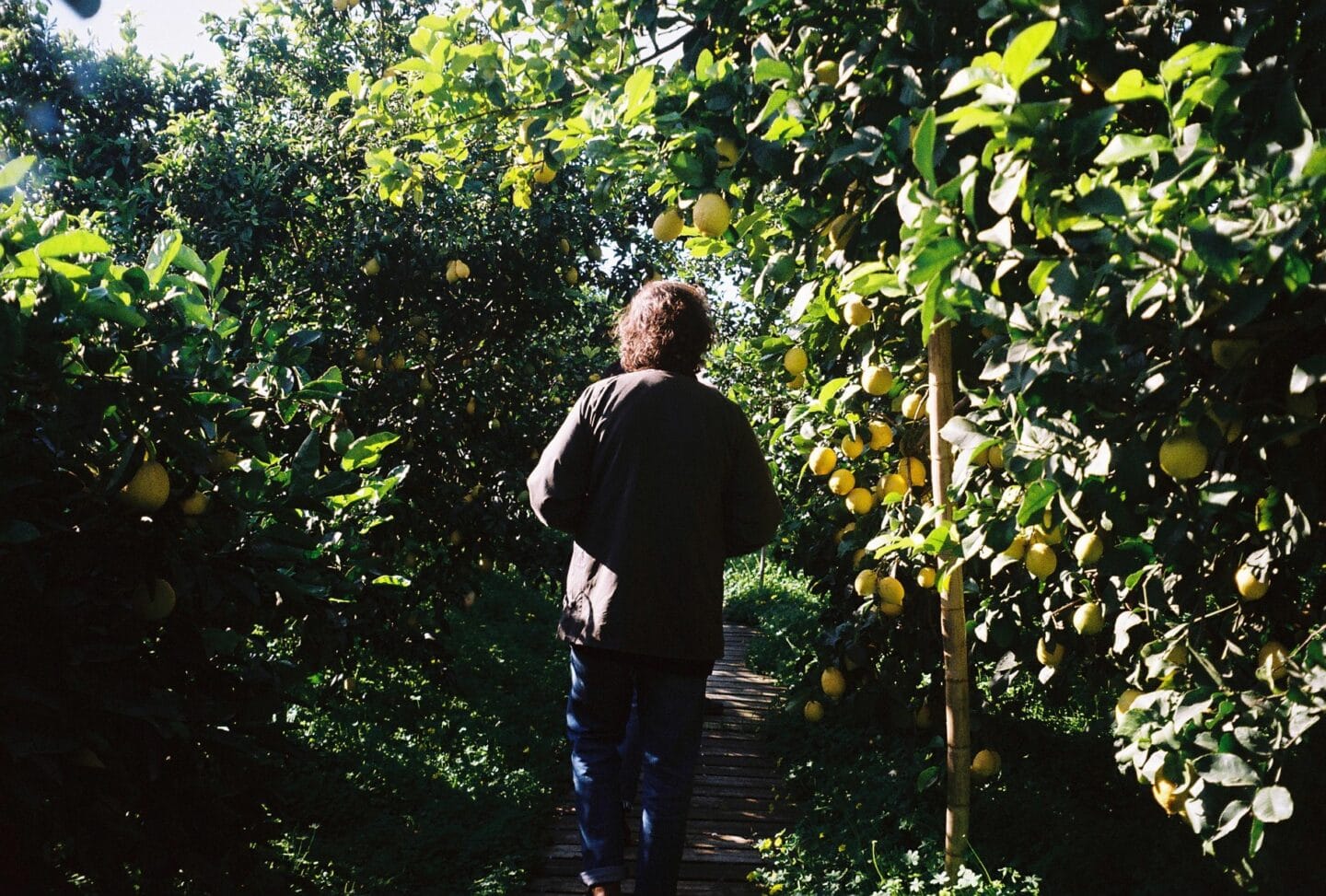
At Flor, the search for suppliers who not only offer products of exceptional quality but also share our values of respect for ingredients and seasonality is constant. To find them, we take many different paths. It might be a friend of a friend who has a small farm, or a well-known supplier within the gastronomic world. Our idea is always to seek out special products for our table.
Beyond our main ingredients, there is something we truly love: discovering something new, an unfamiliar ingredient that sparks an idea, or a producer who can teach us something we did not know before. It is within this search that Todolí Citrus Foundation crossed our path.
As long-time admirers of the project, we recently found the perfect moment at Flor to get in touch with them and bring their citrus fruits into our restaurant. Those already familiar with our cuisine may recognize Todolí in the dessert from our main tasting menu, Pear & Sheep’s Milk Ice Cream, where we use the peel of their bergamots in the infusion used to prepare the pear. Or, if you have joined us for the Daily Menu, you may have tasted their citrus directly in the Orange and Citrus Sorbet that closes the menu.
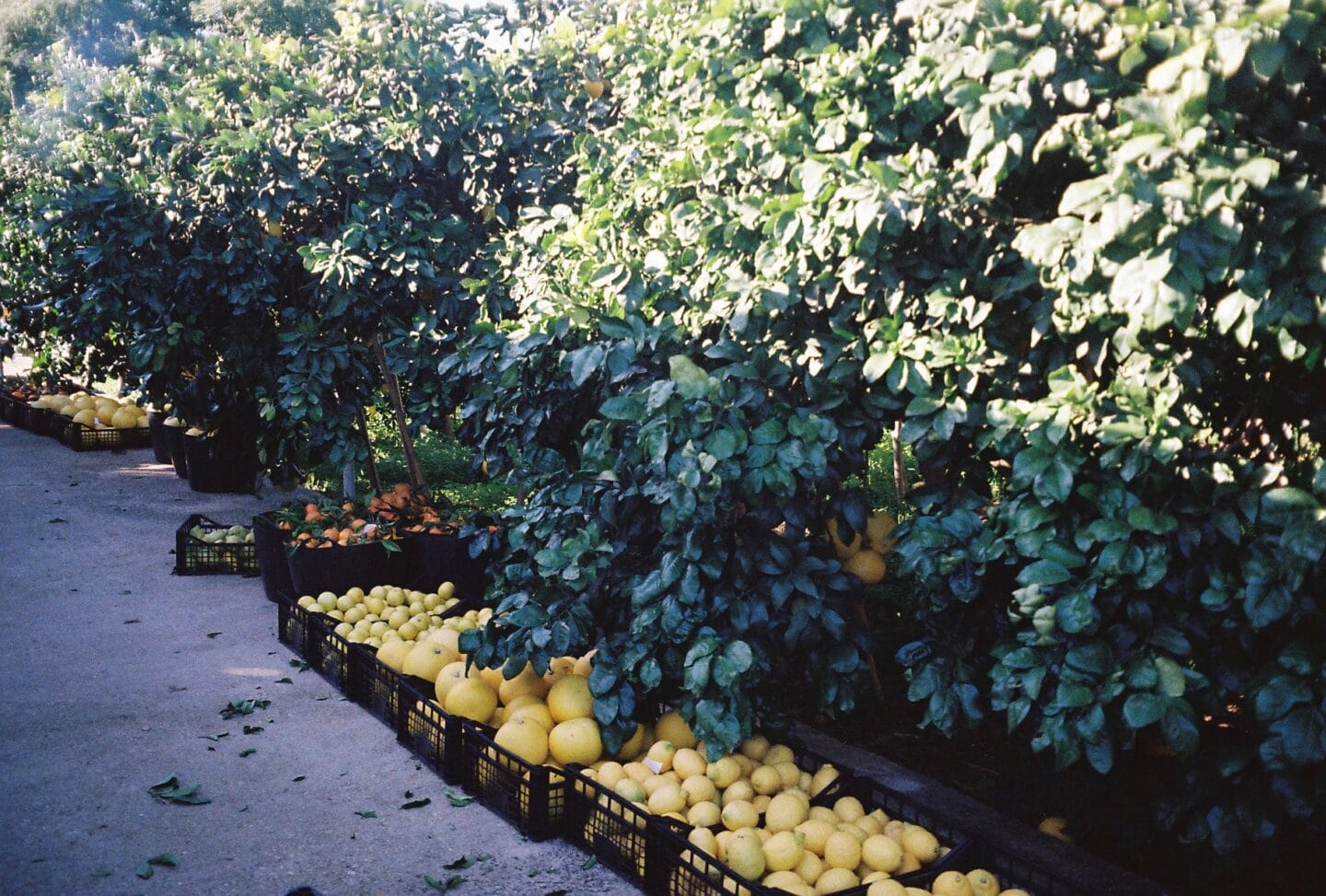
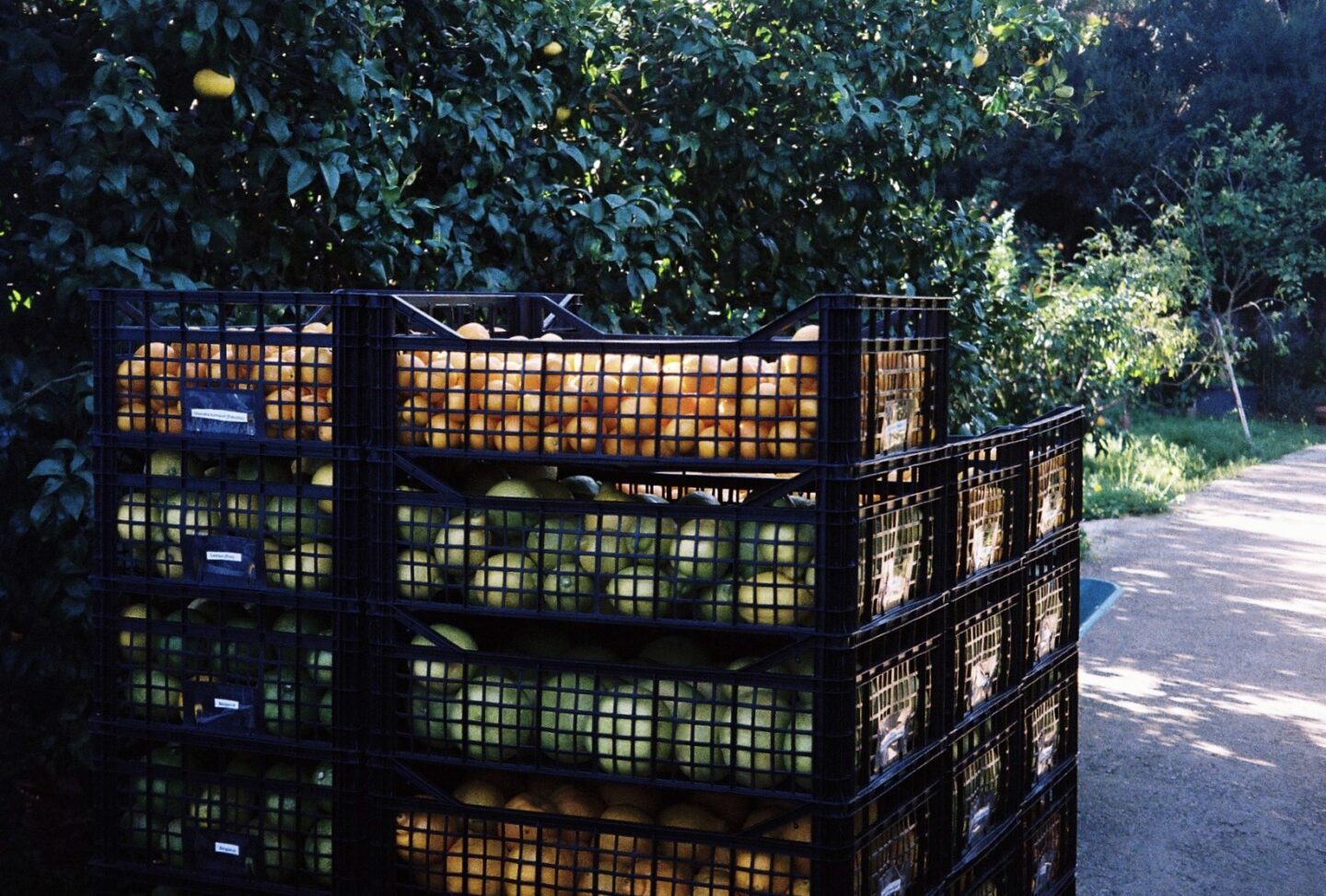
Fortunately, Todolí Citrus Foundation was located just one hour from where we chose to spend the end-of-year holidays. Their team welcomed us there on December 30th, the penultimate day of the year, to show us their work, explain how the foundation came to be, and most importantly, to let us taste an extraordinary variety of citrus fruits that they protect and cultivate.
Todolí Citrus Foundation was born from Vicente Todolí’s personal connection to citriculture and from a desire to protect a family memory and a threatened landscape. Founded in 2013, the foundation works in the research, conservation, and dissemination of citrus biodiversity, with a strong commitment to the Valencian agricultural environment and landscape.
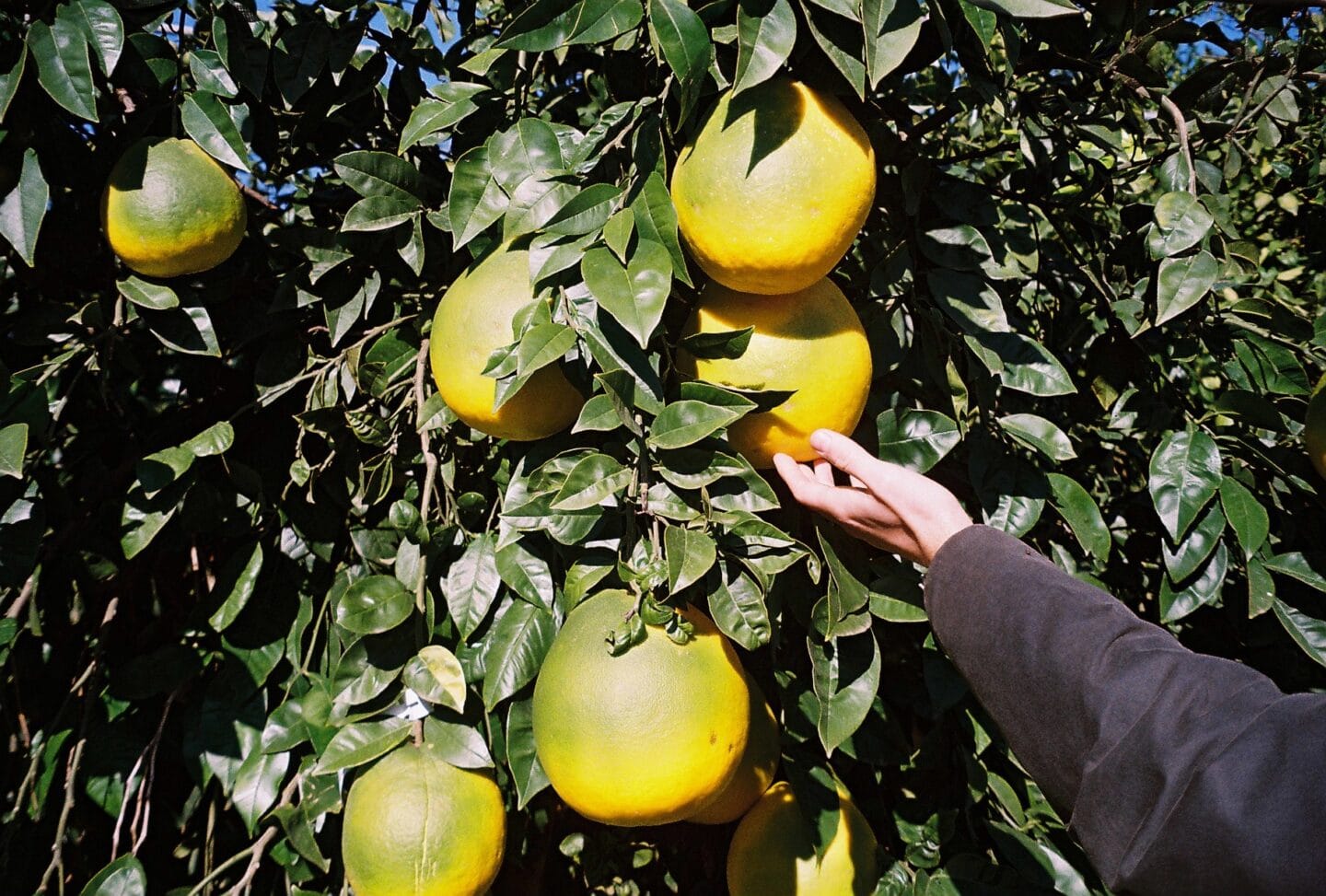
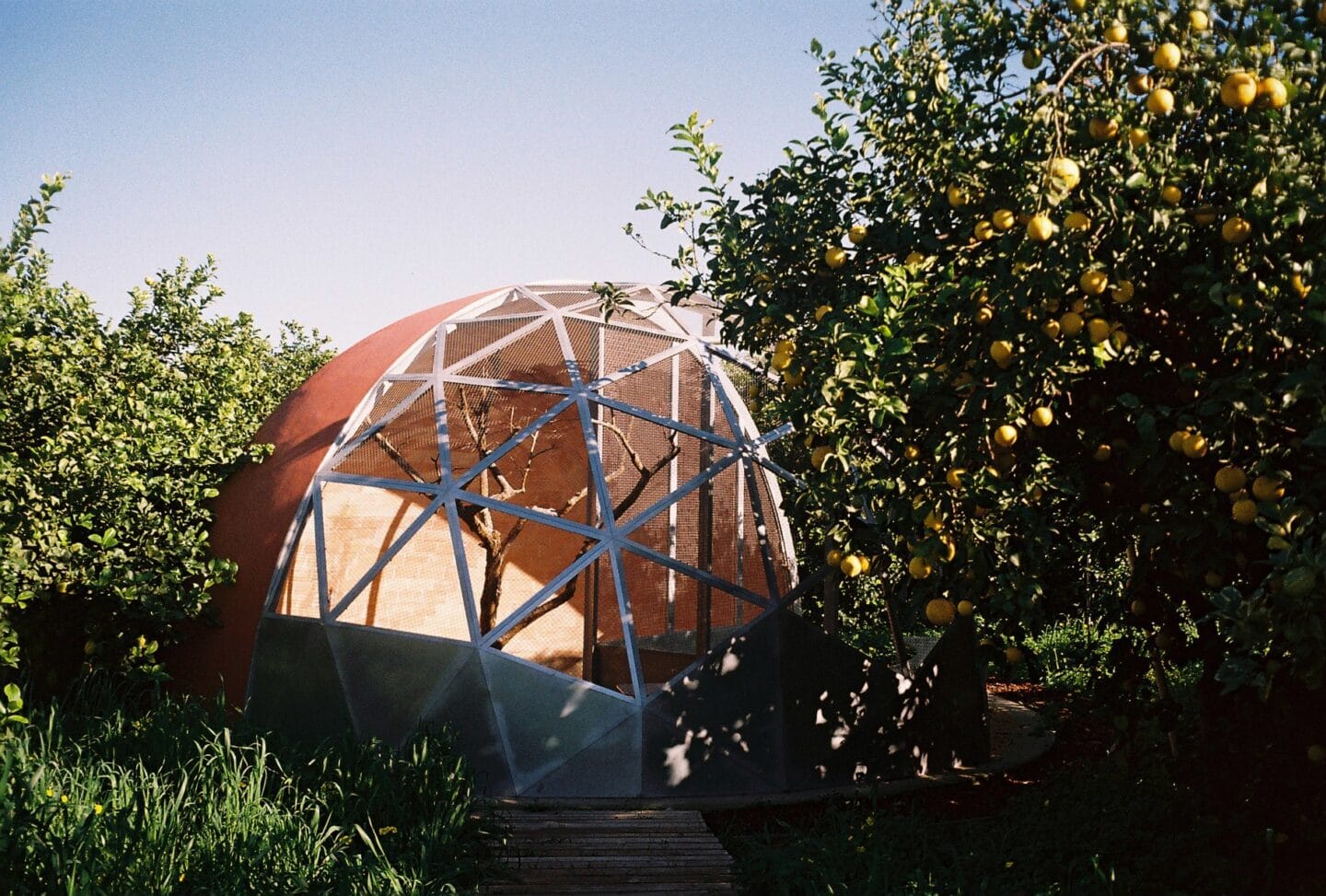
Its headquarters are located in Palmera, on the Mediterranean coast, where an exceptional open-air collection of nearly 500 citrus varieties from around the world is cultivated. This orchard, known as El Bartolí, is the heart of the project and a living space where research, gastronomy, sustainable agriculture, and education coexist. Beyond preserving this unique biodiversity, Todolí promotes projects that connect science, cooking, art, culture, and the environment, placing this knowledge at the service of society.
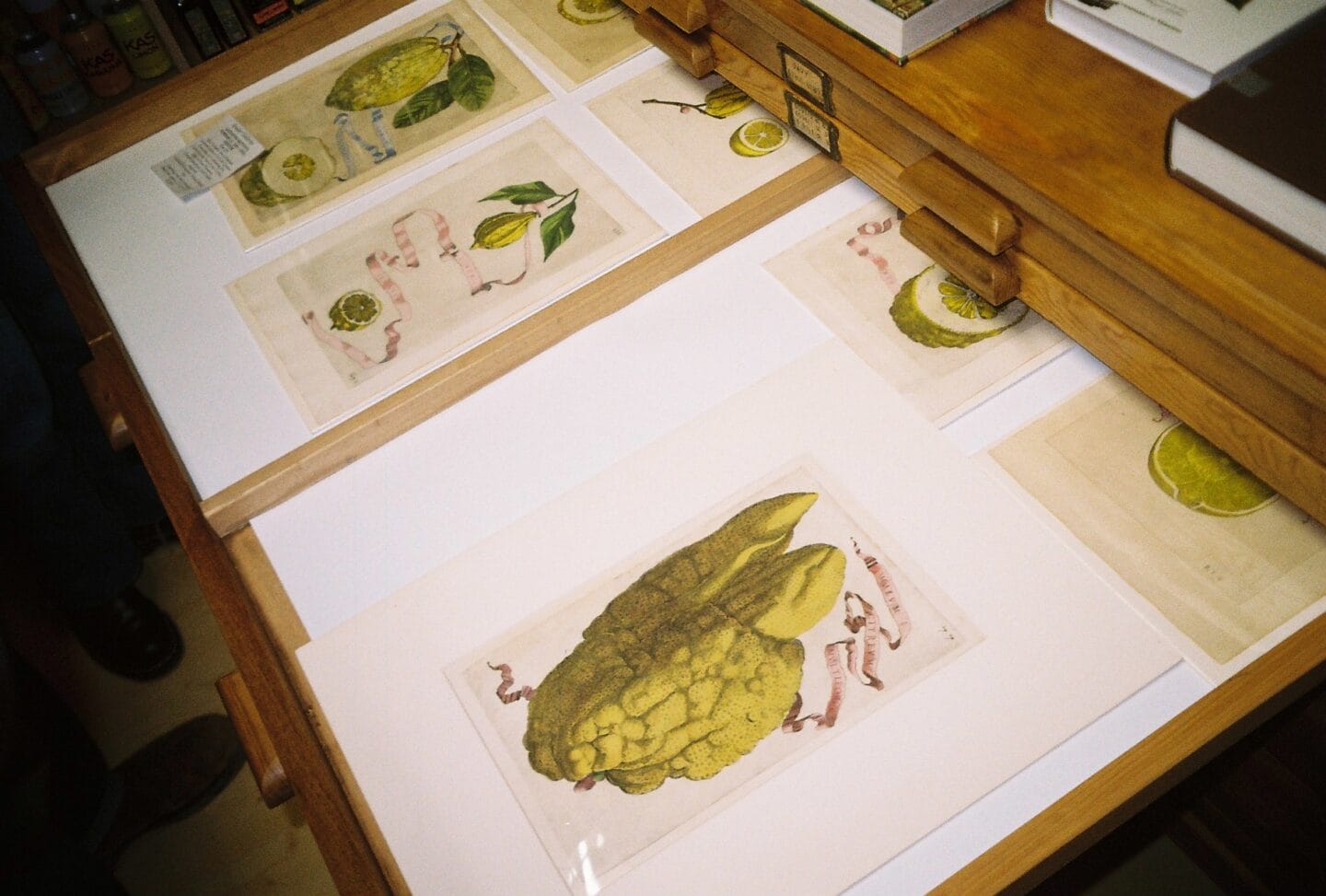
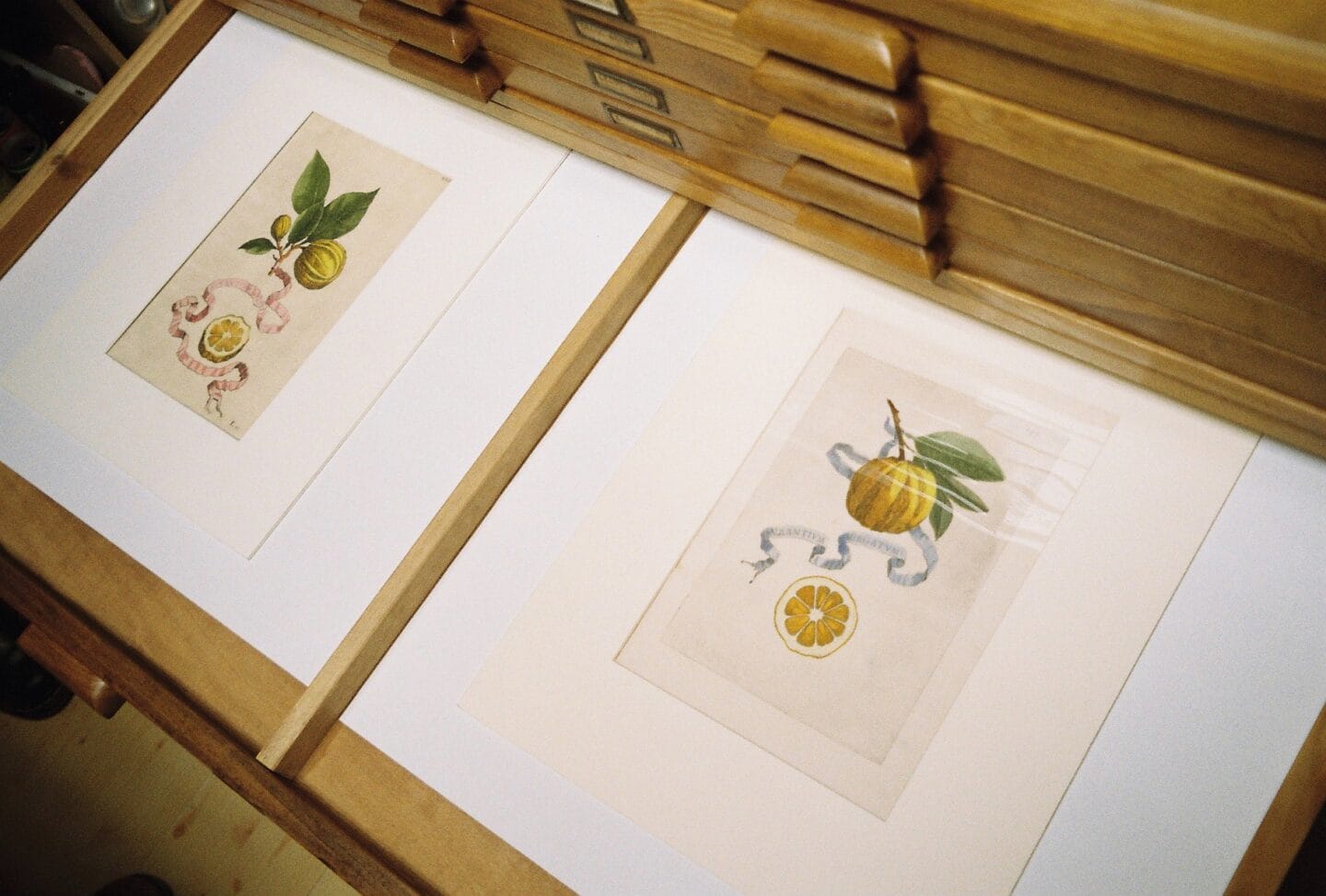
The visit to Todolí begins with a small museum dedicated to citrus fruits. It brings together objects found during travels around the world, connected either by the flavor of their contents or by the design and aesthetics of their packaging. A particularly valuable part of the museum is the collection of botanical illustrations made by hand centuries ago, created to document the citrus varieties that existed in each period.
From there, we moved to the heart of the visit. Guided by Nando, we entered the orchard to see, touch, smell, and of course taste a wide diversity of citrus fruits, while gaining a deeper understanding of the history of this genetic tree that brings acidity, bitterness, and sweetness to our cooking in so many different ways.
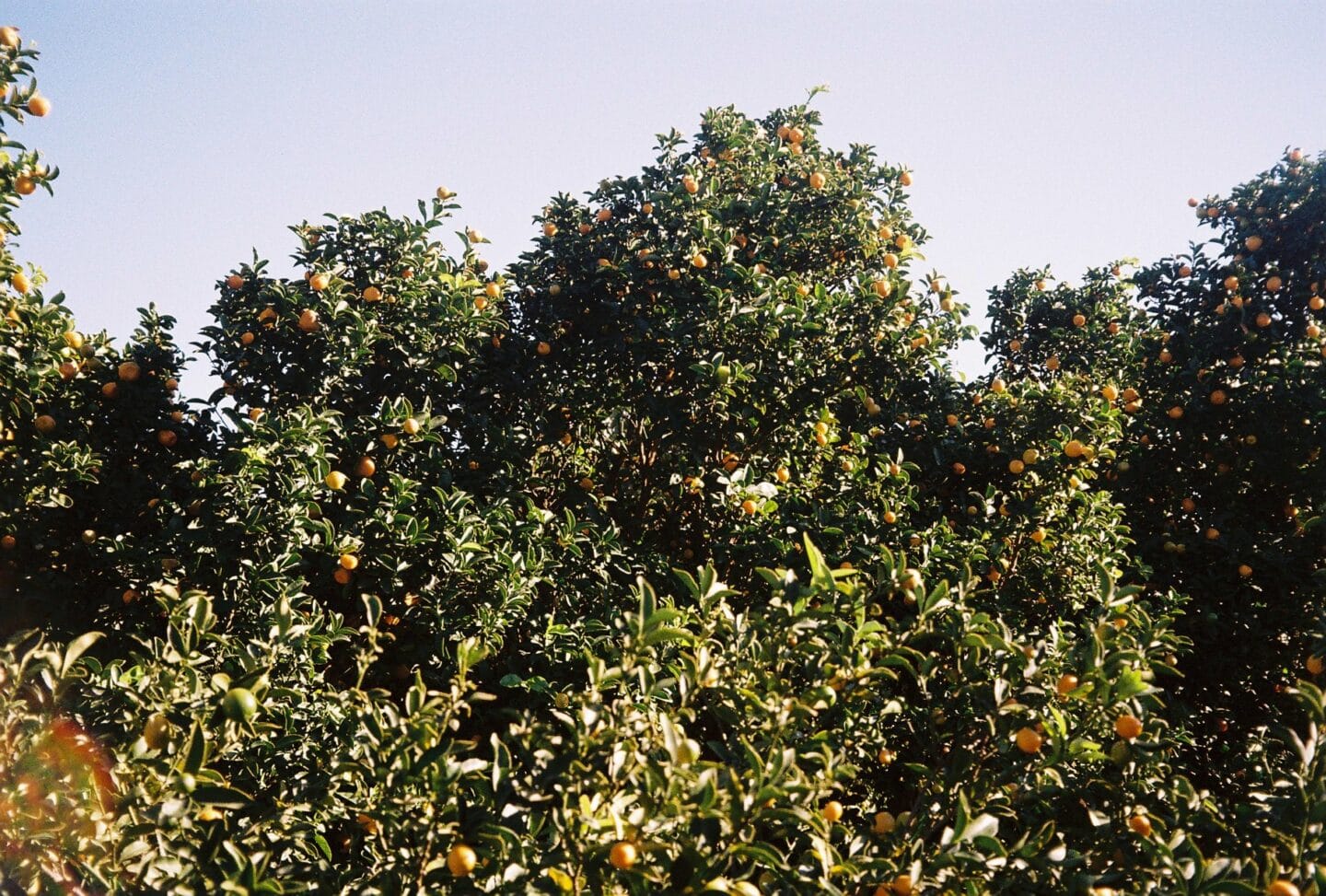
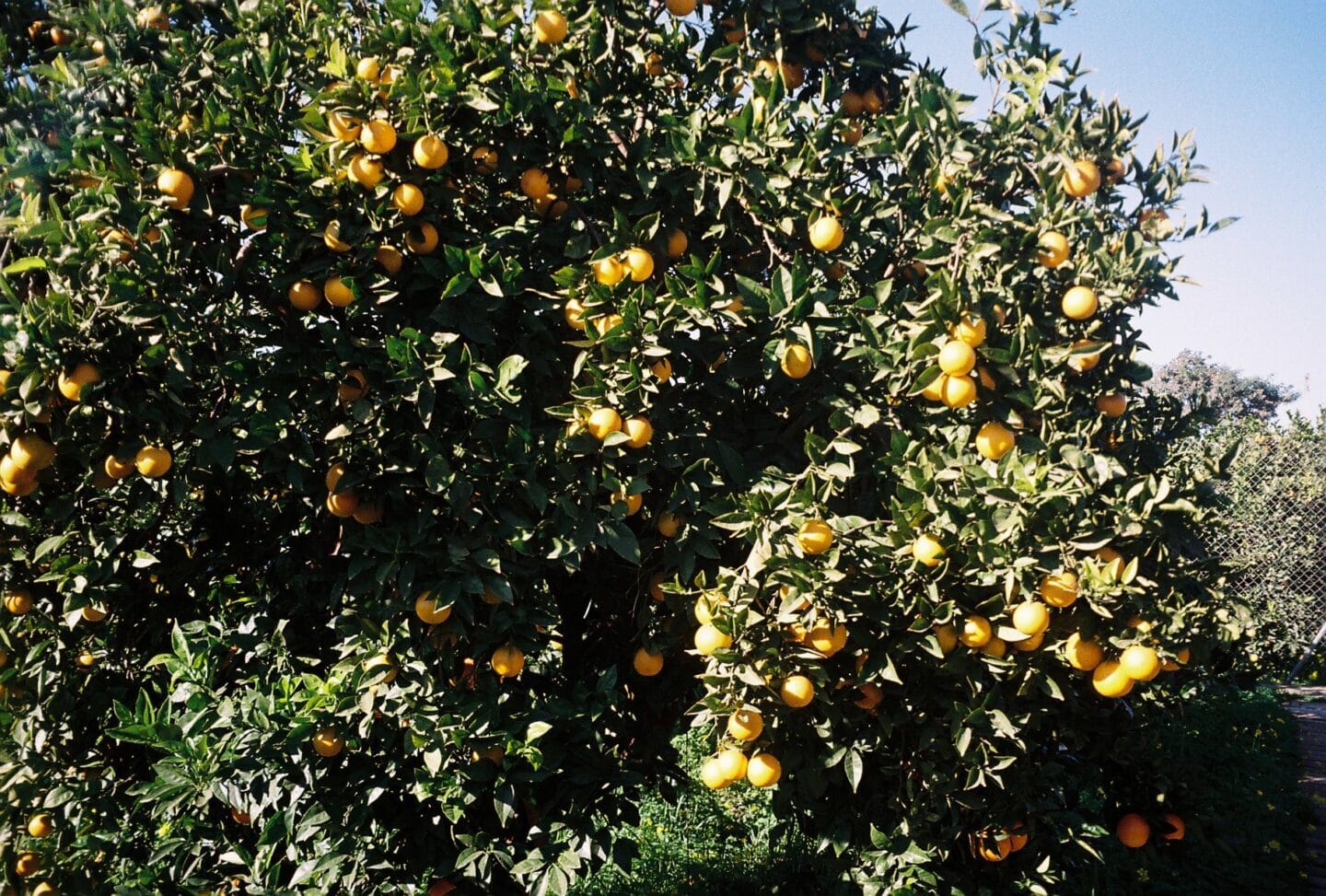
Citrus fruits originate in Asia and reached Europe through spice trade routes and the expansion of the Arab world. For centuries, many of these fruits were not consumed as we know them today. They were intensely bitter or used primarily for medicinal, aromatic, or preservative purposes.
Until just a few centuries ago, no one ate citrus fruits as we recognize them today at the table. The fruits existed, but they were different: less balanced, more rustic, and very distinct in flavor. What we now understand as lemon, lime, orange, mandarin, or grapefruit is the result of a long process of selection and successive hybridizations, initiated in Asia thousands of years ago and continued through human intervention in different regions of the world. In Europe, this process became firmly established particularly in Spain, in areas such as Alicante and Valencia, and later, with colonial voyages, citrus fruits arrived in Latin America, where they continued to evolve and diversify.
All citrus fruits descend from five ancestral families: pummelos, mandarins, citrons, papedas, and kumquats. From their combinations arise endless variations. An ancestral mandarin and a pummelo gave rise to the traditional mandarin; a traditional mandarin and a pummelo to the sweet orange; a pummelo and an ancestral mandarin to the bitter orange; and from a citron and a bitter orange came the lemon. This universe of crossings and possibilities is precisely what we tasted at Todolí.
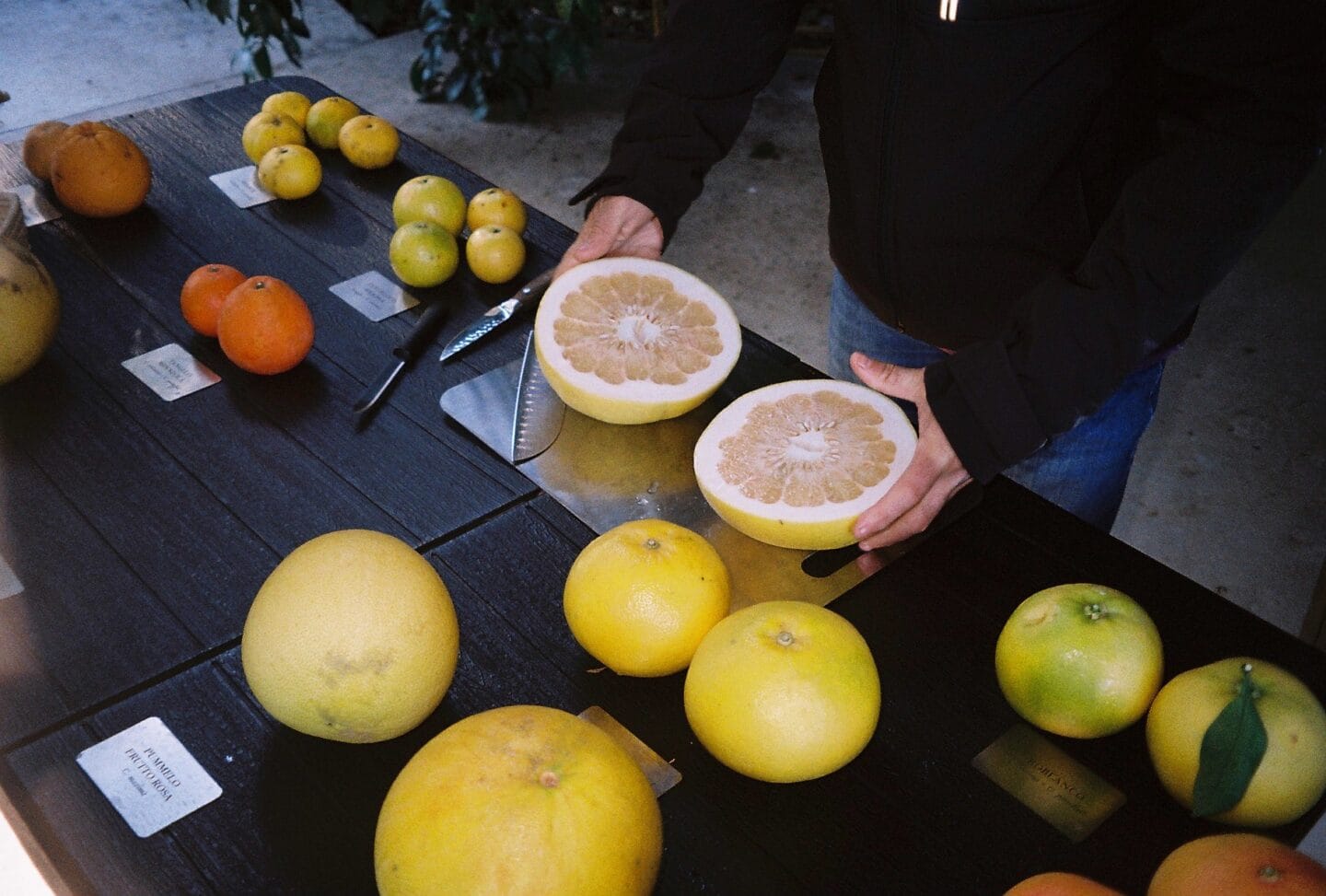
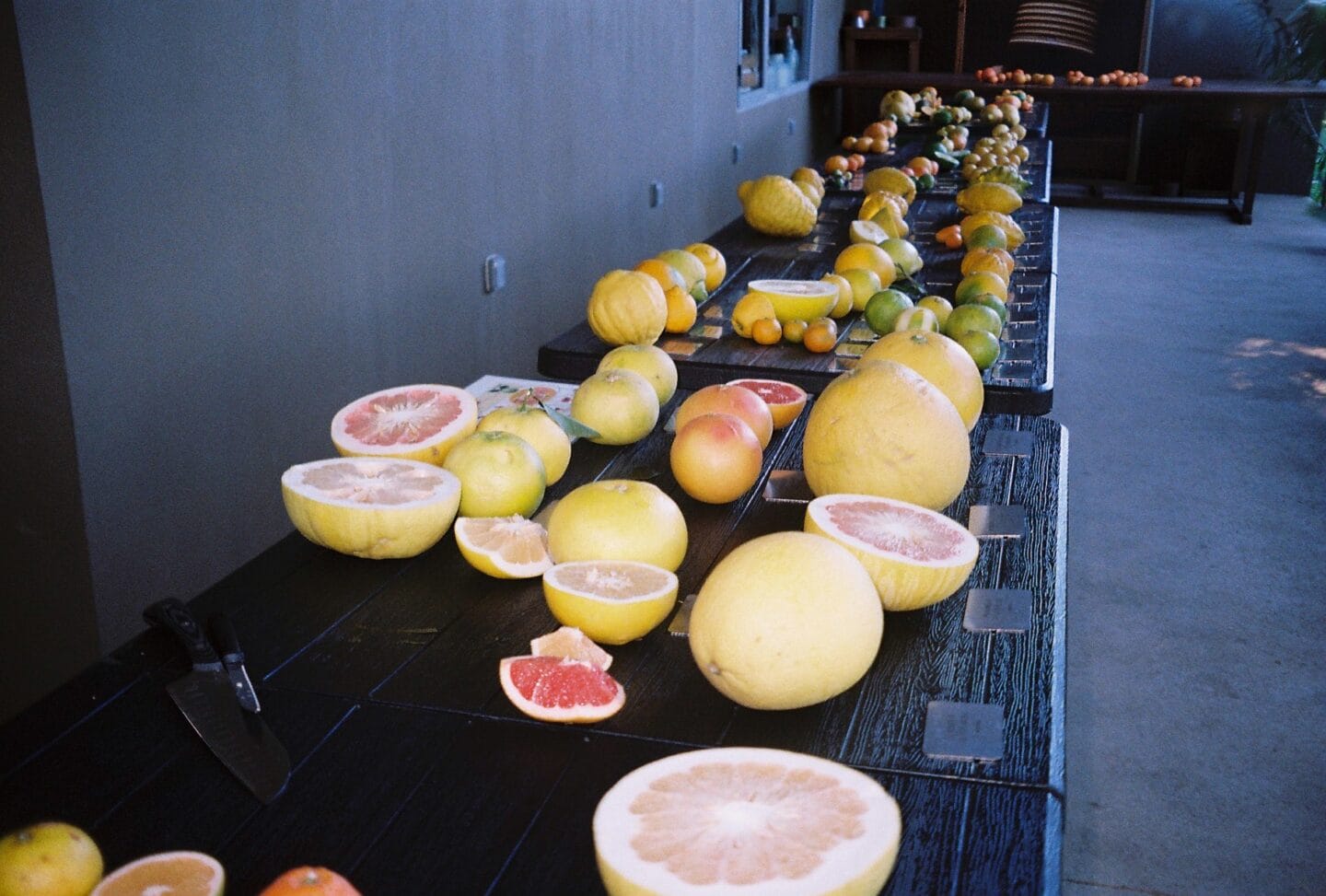
As Nando explained all of this, he opened citrus fruits one after another for us to taste. Some were intensely bitter, others sharply acidic, others surprisingly sweet. A constant exercise in which what you see and what you expect almost never coincides with what ultimately appears on the palate.
Among the most interesting was an Etrog citron, in which the albedo, the white part of the fruit, was thick, long, and entirely edible. The segments, small and low in juice, carried an intense bitterness, while the albedo was unexpectedly sweet. When eaten together, both parts balance each other with remarkable precision.
We also tasted a small, elongated oval-shaped orange, the Nagami kumquat. It is eaten whole, peel included. The expectation is aggressive acidity and bitterness, but the opposite happens: the skin is sweet, the interior fresh and acidic, and the whole becomes harmonious. A citrus fruit that challenges everything we think we know about flavor and form.
During the visit, we also tasted other citrus fruits that expanded this conversation around flavor. The Hirado Buntan pummelo, broad and delicate, with a soft and elegant bitterness; the small-leaf chinotto, intense and deeply bitter; and finger lime, with its small acidic pearls that burst in the mouth and alter the perception of texture and acidity. Naturally, we noted down several of the citrus fruits we tasted to order and use at Flor.
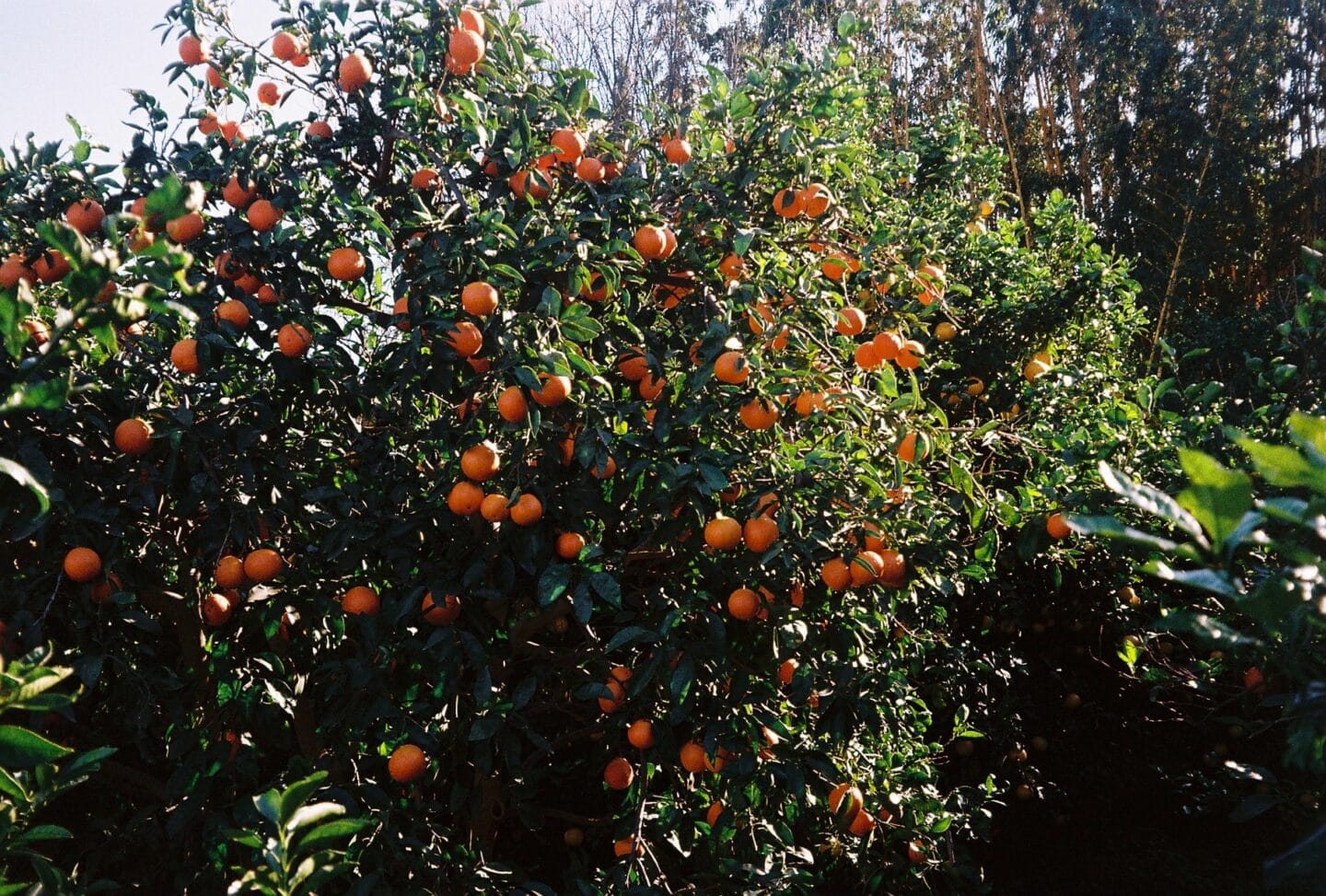
After nearly two hours of tasting unusual and distinctive citrus flavors, the next and final part of the visit was a walk through the El Bartolí orchard, to see the varieties in their respective places throughout the property. It was an especially pleasant walk, during which Nando pointed out what we had tasted and also spoke about what was not available, either because the season had already passed or because it was still too early.
With the visit complete, we left deeply impressed. Our minds were filled with information and our palates saturated with flavors that move away from the traditional and the everyday. This exercise is fundamental: understanding that there is a world of less commercial foods that are often not cultivated because they are not profitable and therefore run the risk of disappearing. A reality that says a great deal about our current society, where profit often comes before everything else. Fortunately, Todolí Citrus Foundation exists, a project that invests time, effort, and research in the preservation and evolution of a family of fruits that is essential to our biodiversity and our food systems.
Many thanks to Nando, Vicente, and the entire Todolí team for welcoming us to the foundation with such generosity and care.
The visit we experienced can also be booked through the foundation’s website:
https://todolicitrusfundacio.org/en/
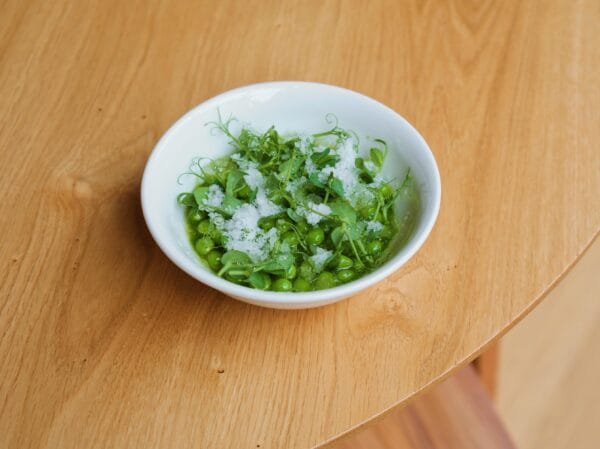
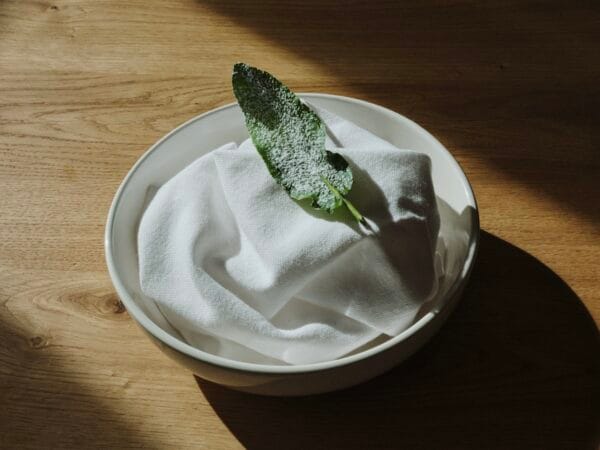
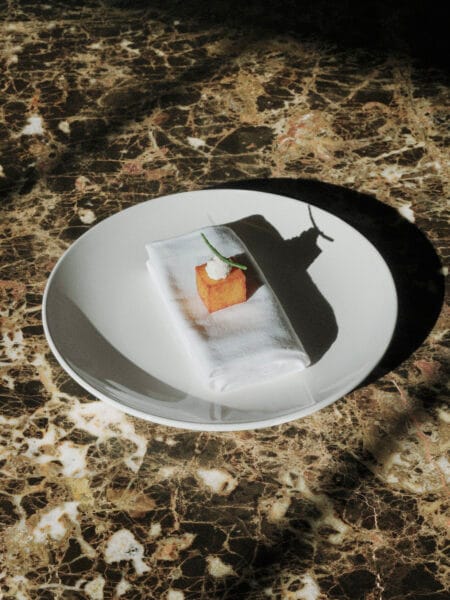
And of course, you can find these citrus fruits on the plates at Flor.